When the first symphonic groups appeared, in the second half of the 18th century, cultural society felt the need for a place with better acoustics for their performances. The first locations were the naves of large German churches, such as the Thomaskirche in Leipzig, Germany, used for concerts by Johann Sebastian Bach.
Time passed and it was only at the beginning of the 19th century that specific theaters for music were opened, now spread all over the world. Glamorama has curated a selection of 10 incredible venues across the globe, from the traditional neo-Renaissance in Budapest to the ultra-modern Sydney Opera House. Gallery to fill the eyes – and the ears.
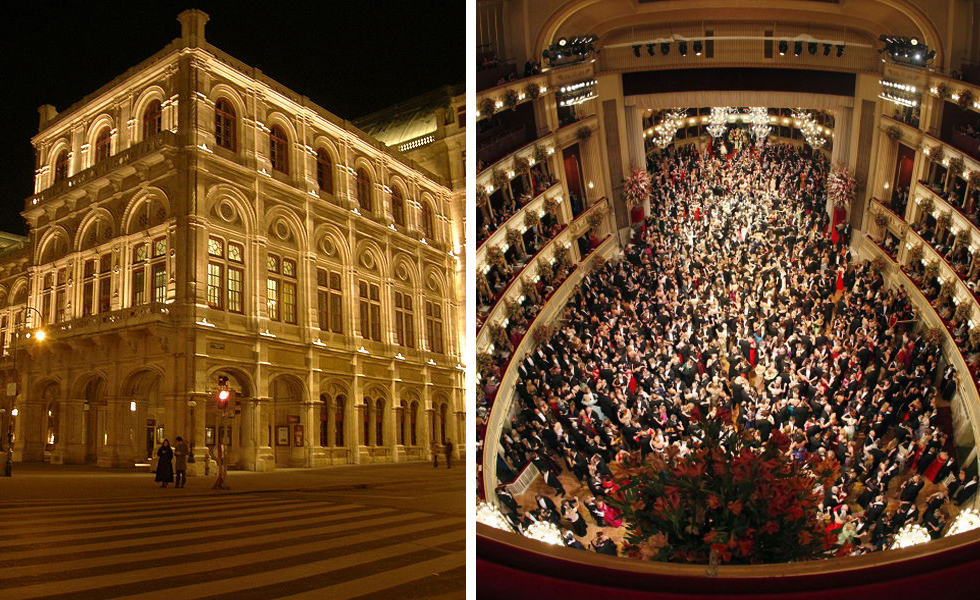
The Vienna State Opera in the Austrian capital is one of the oldest concert halls in the world. More than 50 operas and ballets are performed there in more than 15 300-day seasons. Construction of the original building began in 1863 and ended in 1869. In World War II, the building was devastated and was not reopened until November 5, 1955.
Credits: Disclosure
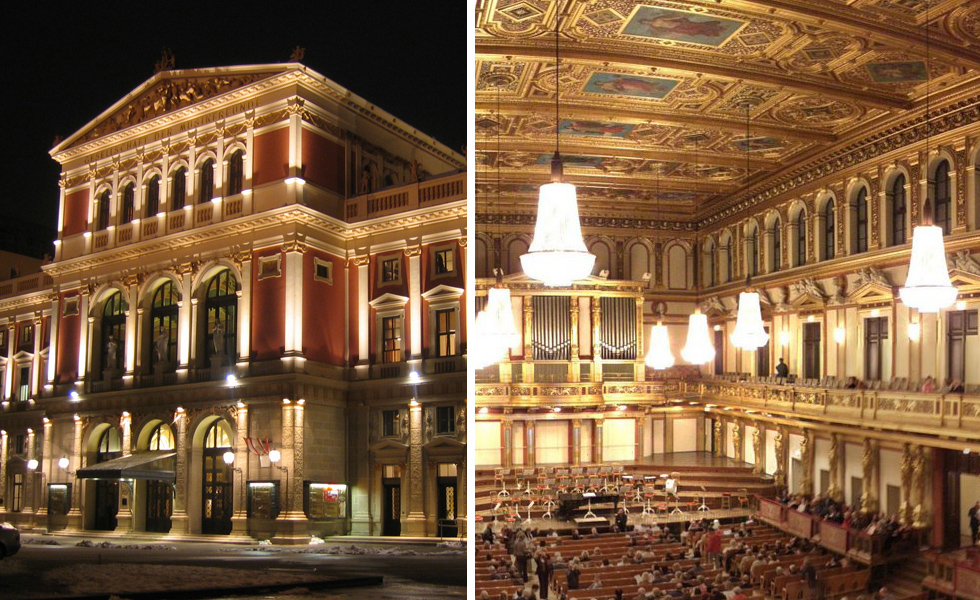
The Vienna Musikverein in Vienna is considered one of the best concert halls in the world. Its luxurious auditorium, with gold-plated details, creates a special acoustic called "Golden Sound in the Golden Hall".
Credits: Disclosure
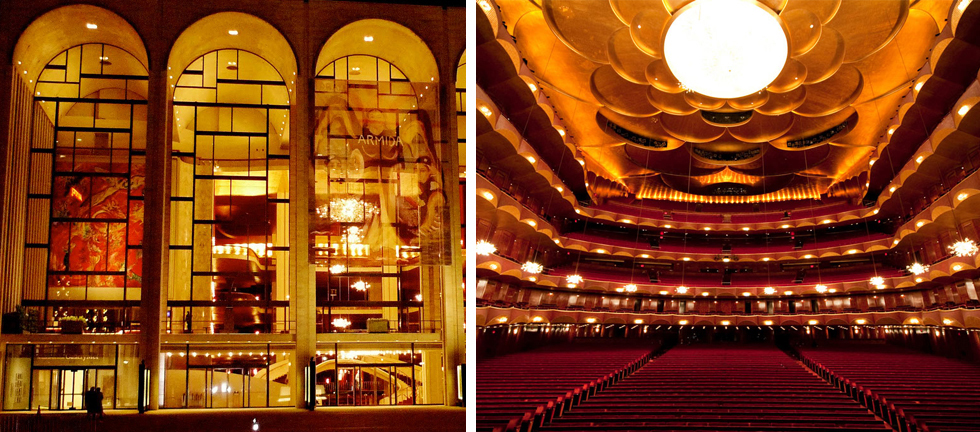
The Metropolitan Opera in New York was built in 1883 by a group of wealthy businessmen who wanted their own opera house, but it quickly became one of the premier concert venues in the world. In 1995, the Metropolitan revitalized its auditorium and installed small LCD screens in the back of each seat, displaying real-time translations. The auditorium has a capacity of over 4,000 people.
Credits: Disclosure
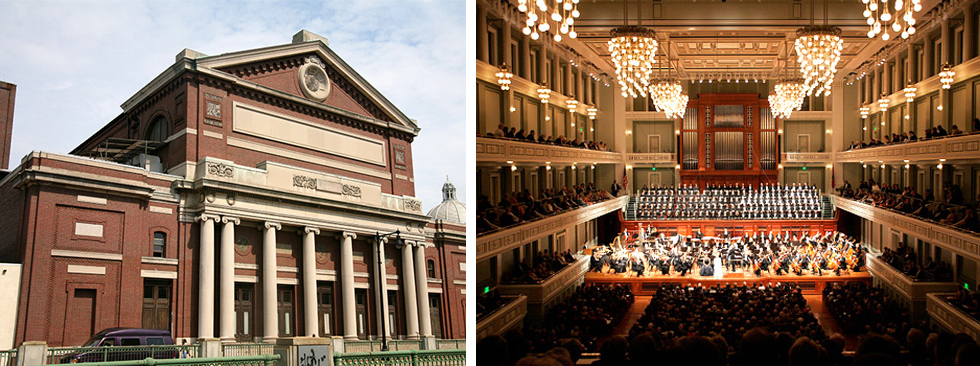
Symphony Hall in Boston is considered by many to be one of the finest concert halls in the world, and is home to the Boston Symphony Orchestra. It was the first concert hall ever designed to have perfect acoustics: the hall's 1.9 seconds of reverberation is the ideal time for an orchestra to perform.
Credits: Disclosure
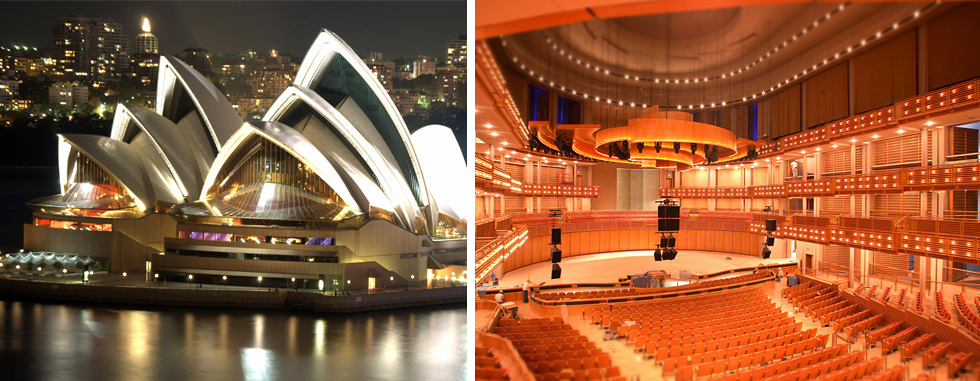
An Australian landmark, the Sydney Opera House is recognized the world over for its bold design. In January 1956, the Australian government announced an international design competition to design the country's new concert hall. After 233 projects were analyzed, in 1957, the one by the Swedish Jørn Utzon was chosen. The project was completed in 1973, and cost $100 million dollars.
Credits: Disclosure
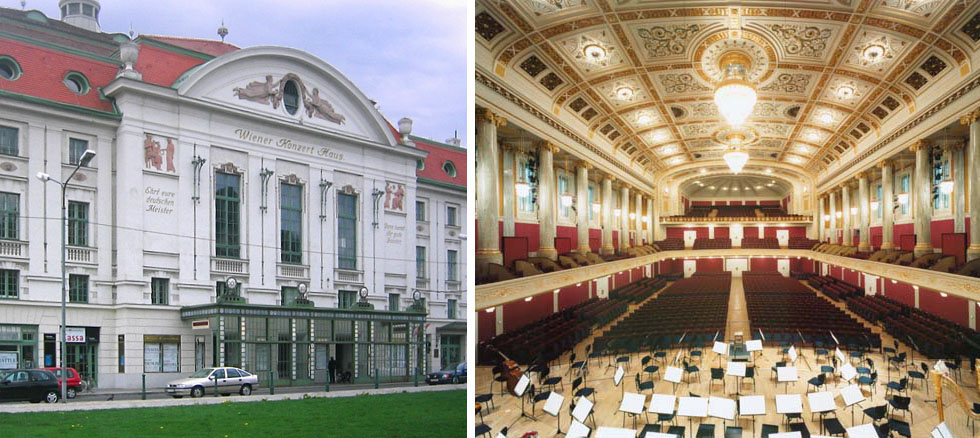
The Vienna Konzerthaus in the Austrian capital is the home of the Vienna Symphony Orchestra. Together with the Vienna State Opera and the Vienna Musikverein, they form the three most sumptuous concert halls in the world, giving Vienna the title of city of classical music.
Credits: Disclosure
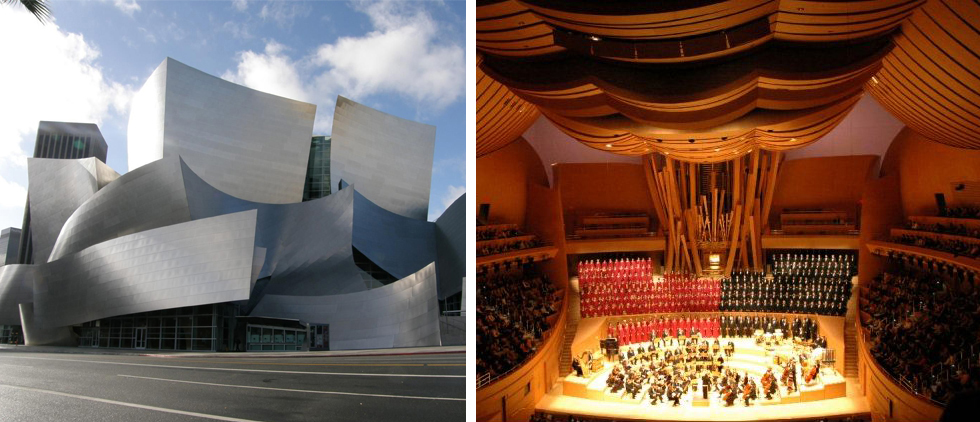
Newest on our list, the Walt Disney Concert Hall was designed by Frank Gehry to be one of the most acoustically perfect concert halls. Since the beginning of its project, in 1987, it took 16 years for the room to be completed. It is located in downtown Los Angeles and is now the official home of the city's Philharmonic Orchestra.
Credits: Disclosure
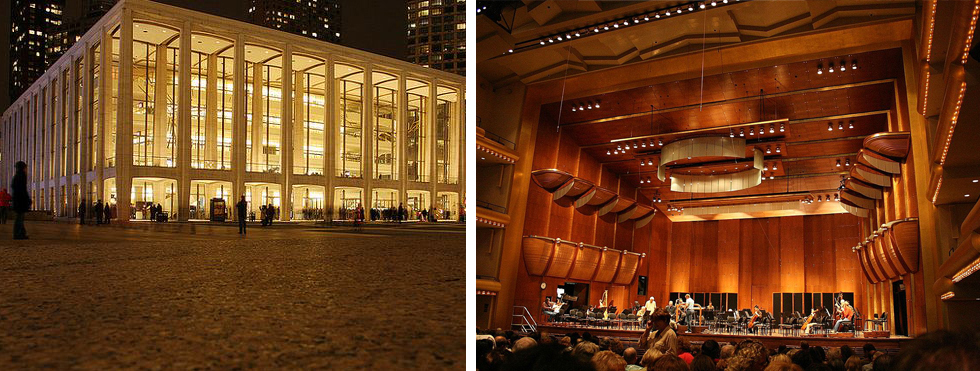
Avery Fisher Hall in New York was built in 1962 and was then called Philharmonic Hall. But after a board member named Avery Fisher donated more than $10,000 to the room in 1973, the space was renamed and renovated, even changing its acoustics.
Credits: Disclosure
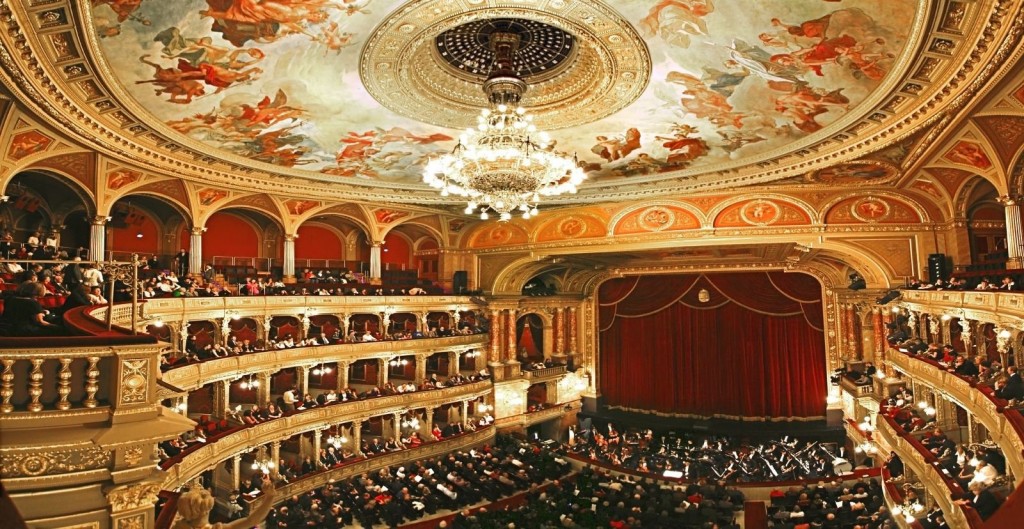
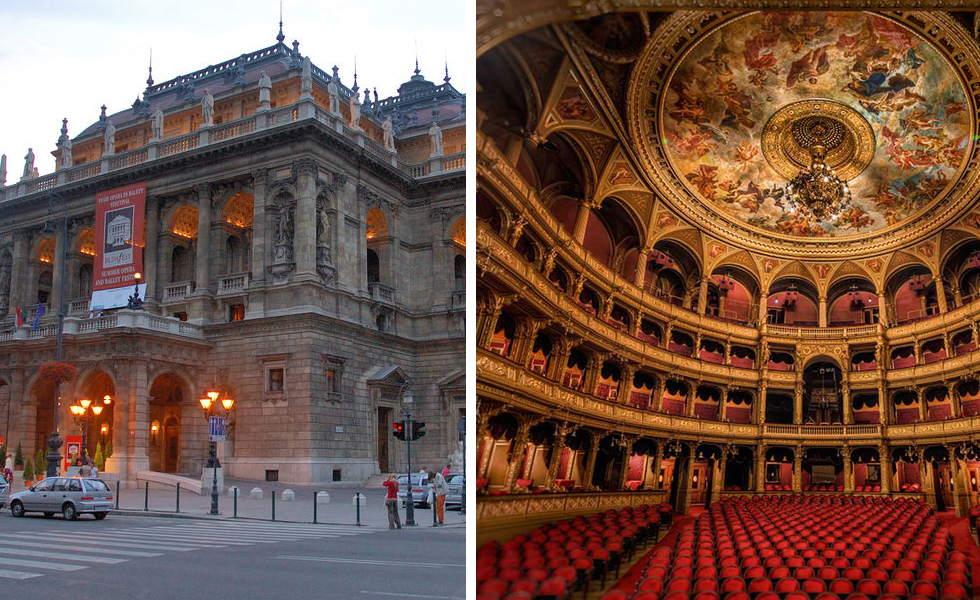
The Hungarian State Opera House in Budapest, built between 1875 and 1884, is considered one of the world's finest examples of Neo-Renaissance architecture and was designed by renowned 19th-century architect Miklós Ybl. Today, the concert hall is the official home of the Budapest Opera Ball, a musical society founded in 1886.
Credits: Disclosure
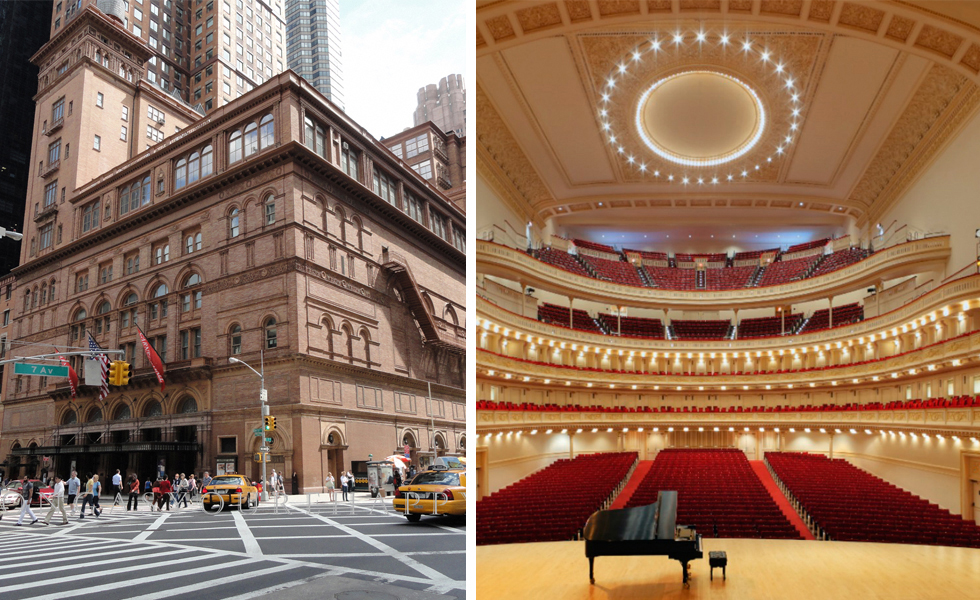
Although Carnegie Hall in New York does not have a resident orchestra, the house remains one of the most important and famous in the world. Built-in 1890 by Andrew Carnegie, its stage has hosted historic performances by various artists of the 20th century, including Brazilians such as João Gilberto and Chico Buarque.
Credits: Disclosure
1. The Vienna State Opera
The Vienna State Opera in the Austrian capital is one of the oldest concert halls in the world. More than 50 operas and ballets are performed there in more than 15 300-day seasons. Construction of the original building began in 1863 and ended in 1869. In World War II, the building was devastated and was not reopened until November 5, 1955 || Credits: Disclosure
2. The Vienna Musikverein
The Vienna Musikverein in Vienna is considered one of the best concert halls in the world. Its luxurious auditorium, with gold-plated details, creates a special acoustic called "Golden Sound in the Golden Hall" ie a golden sound in a golden room || Credits: Disclosure
3. The Metropolitan Opera
The Metropolitan Opera in New York was built in 1883 by a group of wealthy businessmen who wanted their own opera house, but it quickly became one of the premier concert venues in the world. In 1995, the Metropolitan revitalized its auditorium and installed small LCD screens in the back of each seat, displaying real-time translations. The auditorium has a capacity for more than 4,000 people || Credits: Disclosure
4. Symphony Hall
Symphony Hall in Boston is considered by many to be one of the finest concert halls in the world, and is home to the Boston Symphony Orchestra. It was the first concert hall ever designed to have perfect acoustics: the hall's 1.9 seconds of reverberation is the ideal time for an orchestra to perform || Credits: Disclosure
5. the Sydney Opera House
An Australian landmark, the Sydney Opera House has been recognized the world over for its bold design. In January 1956, the Australian government announced an international design competition to design the country's new concert hall. After 233 projects were analyzed, in 1957, the one by the Swedish Jørn Utzon was chosen. The project was completed in 1973, and cost US$ 100 million dollars || Credits: Disclosure
6. The Vienna Konzerthaus
The Vienna Konzerthaus in the Austrian capital is the home of the Vienna Symphony Orchestra. Together with the Vienna State Opera and the Vienna Musikverein, they form the three most sumptuous concert halls in the world, giving Vienna the title of city of classical music || Credits: Disclosure
7. Walt Disney Concert Hall
Newest on our list, the Walt Disney Concert Hall was designed by Frank Gehry to be one of the most acoustically perfect concert halls. Since the beginning of its project, in 1987, it took 16 years for the room to be completed. It is located in downtown Los Angeles and is now the official home of the city's Philharmonic Orchestra || Credits: Disclosure
8. Avery Fisher Hall
Avery Fisher Hall in New York was built in 1962 and was then called Philharmonic Hall. But after a board member named Avery Fisher donated more than US$10,000 to the room in 1973, the space was renamed and underwent a renovation, which even changed its acoustics || Credits: Disclosure
9. The Hungarian State Opera House
The Hungarian State Opera House in Budapest, built between 1875 and 1884, is considered one of the world's finest examples of Neo-Renaissance architecture and was designed by renowned 19th-century architect Miklós Ybl. Today, the concert hall is the official home of the Budapest Opera Ball, a musical society founded in 1886 || Credits: Disclosure
10. Carnegie Hall
Although Carnegie Hall in New York does not have a resident orchestra, the house remains one of the most important and famous in the world. Built-in 1890 by Andrew Carnegie, its stage has seen historic performances by several artists from the 20th century, including Brazilians such as João Gilberto and Chico Buarque || Credits: Disclosure
Comments
Post a Comment